
Real Estate Lawyer
Transactions and Litigation | Residential & Commercial

ABOUT USOver forty years of experience in Chicago real estate
It is not a cliche to point out that most people involved in a real estate transaction are engaged in the largest and most important acquisition of their lifetime. Whether you are selling or buying a residential home, are facing the loss of your home in foreclosure or investing in or divesting from commercial real estate, it is important to work with an experienced real estate lawyer.
Real estate attorney, Erica Crohn Minchella, of Minchella & Associates, Ltd. has helped thousands of real estate owners with their real estate transactions within the Chicagoland area, North Shore, collar counties.
Erica has practiced real estate law most of her legal career. She handled mostly bankruptcy cases for the first eighteen years. Within the context of handling bankruptcy cases she handled many real estate transactions. For the past 20 years, she has focused on real estate law. She was on the drafting committee for the real estate contract that northern Illinois attorneys use when closing real estate transactions. She is a founder and president of the Association of Foreclosure and Consumer Protection Attorneys, recognized as a SuperLawyer and Leading Lawyer and has been named one of the Top 10 Real Estate Lawyers in the state of Illinois by Leading Lawyer Publications. Additionally, she is a vice president of the Illinois Real Estate Lawyers Association and is a member of the Illinois State Bar Association Real Estate Law Section Council.

FIELDS OF EXPERTISEWe Concentrate In Residential And Commercial Real Estate Closings & Litigation.
- Residential real estate closings of single family homes, mixed-use properties, condominiums and multi-unit homes
- Partnership agreements for unmarried co-owners
- Commercial real estate closings and leases
- Short sales
- Foreclosure defense (Residential and Commercial)
- Real estate litigation
- Representation of Home buyers and protecting their investment
- Representing home buyers and seller in issues arising after their transaction has closed with other attorneys

REAL ESTATE CLOSINGSRepresenting sellers and buyers
in residential real estate transactions.
FORECLOSURE DEFENSEIs your lender foreclosing on your home ? Consider a Short Sale.
SHORT SALESSpeak with Minchella & Associates
about how to stop the
foreclosure process.

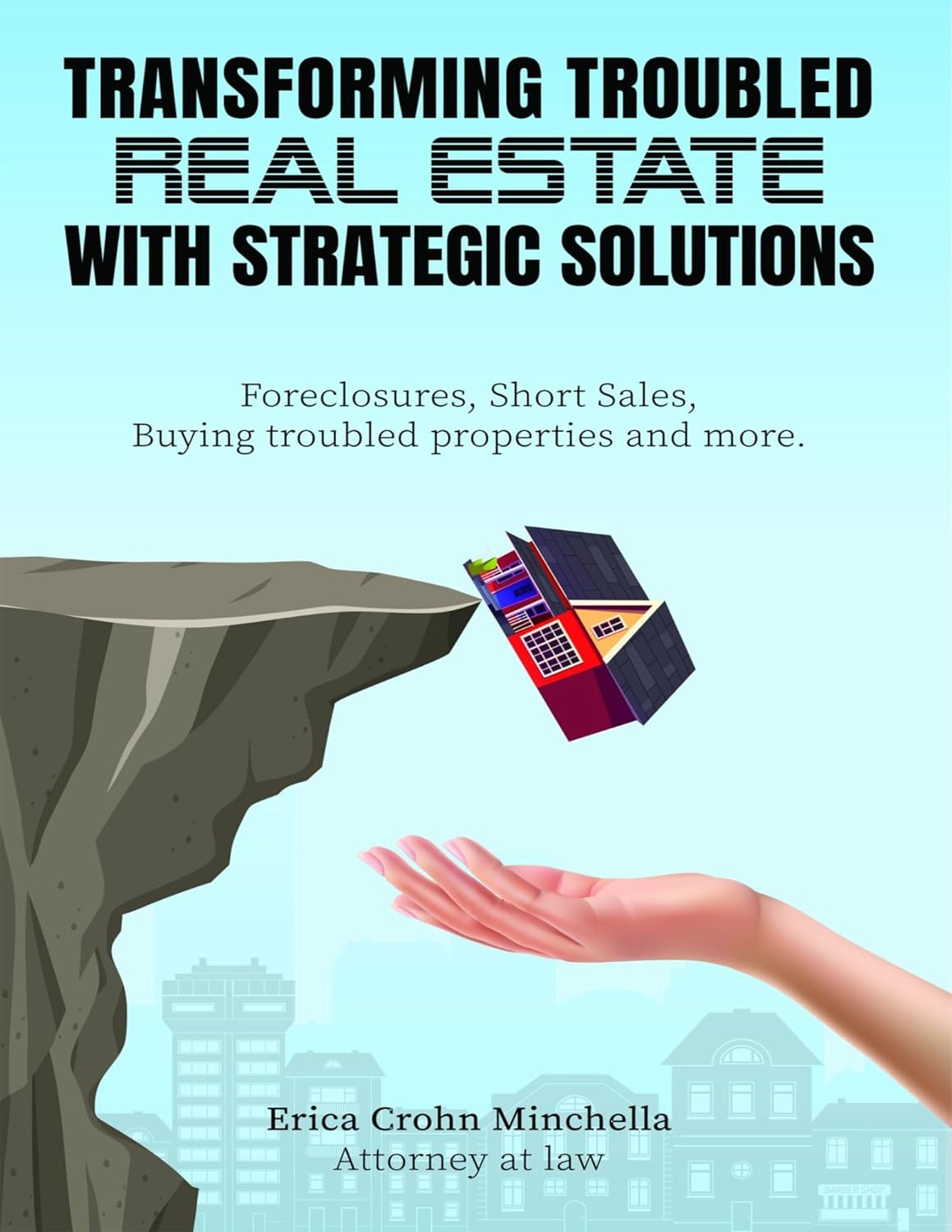
Book by Erica Crohn Minchella Transforming Troubled Real Estate with Strategic Solutions: Foreclosures, Short Sales, Buying Troubled Properties, and more

SERVICES
SCHEDULE A CONSULTATION
Attorney Advertising: Information on this website is not legal advice. In no way does visiting this site or contacting Erica Minchella & Associates create an attorney-client relationship unless consented to by both you and Erica Minchella & Associates.
© 2023 Erica Minchella & Associates. All Rights Reserved.